



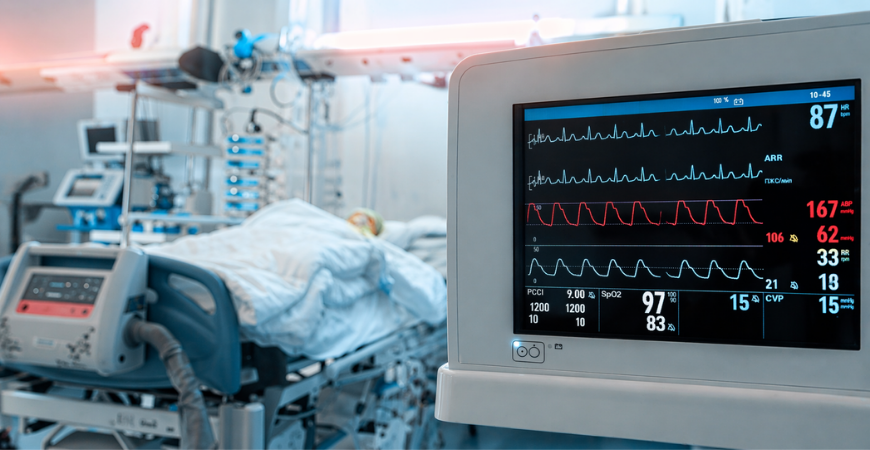
Emergency Condition Awareness
In a world where seconds can define outcomes, awareness is often the first and most powerful form of treatment. Emergency conditions rarely arrive with a warning label. They appear suddenly, escalate rapidly, and demand immediate attention. Understanding how to recognize these situations can mean the difference between recovery and irreversible damage.
As an Emergency Physician and Assistant Professor, Dr. Kushal Narula emphasizes that awareness is not just for healthcare professionals—it is a critical life skill for everyone.
Why Emergency Awareness Matters
Emergency conditions are unpredictable. From cardiac arrests to strokes, accidents to severe allergic reactions, the initial response window is often narrow. Most fatalities in emergency scenarios occur not because treatment is unavailable, but because recognition and action are delayed.
Being aware helps you:
- Identify early warning signs
- Act quickly and confidently
- Provide basic first response before professional help arrives
- Reduce complications and improve survival chances
The Silent Language of the Body
The human body gives subtle and sometimes obvious signals before a crisis unfolds. The key is knowing how to interpret them.
1. Chest Pain: More Than Just Discomfort
Chest pain is often misunderstood or ignored. A squeezing, heavy, or burning sensation in the chest, especially if it radiates to the arm, neck, or jaw, may indicate a heart attack. Accompanying symptoms like sweating, breathlessness, or nausea should never be overlooked.
2. Sudden Weakness or Slurred Speech
These are classic signs of a stroke. If someone suddenly struggles to speak, smile evenly, or lift both arms, immediate action is crucial. The first few hours are critical for preventing long-term disability.
3. Difficulty Breathing
Breathlessness can signal conditions ranging from asthma attacks to life-threatening pulmonary embolism. If breathing becomes labored, noisy, or unusually rapid, it requires urgent attention.
4. Loss of Consciousness
Fainting or unresponsiveness can stem from various causes—low blood pressure, head injury, or neurological issues. Regardless of the reason, it should always be treated as an emergency until proven otherwise.
5. Severe Bleeding
Uncontrolled bleeding can quickly lead to shock. Applying pressure and seeking immediate help can save a life.
Think Beyond the Obvious
Emergency awareness is not limited to dramatic symptoms. Sometimes, the danger lies in what seems ordinary.
- A persistent high fever in children may indicate serious infection
- Sudden severe headache could be a sign of internal bleeding
- Abdominal pain, often dismissed, may indicate appendicitis or organ rupture
Dr. Kushal Narula stresses that “what you feel is different from your normal baseline is often your body asking for attention.”
The Golden Hour: Your Window of Opportunity
The concept of the “Golden Hour” in emergency medicine highlights the importance of timely intervention. The first hour after a traumatic injury or acute medical event is crucial. Quick recognition, immediate response, and rapid transport to medical care can drastically improve outcomes.
But here’s the challenge—professional medical help takes time to arrive. This is where public awareness becomes vital.
What Should You Do in an Emergency?
Panic is the biggest enemy during emergencies. Preparedness and clarity can help you act effectively.
Stay Calm and Assess
Take a moment to evaluate the situation. Is the person conscious? Breathing? Bleeding?
Call for Help Immediately
Contact emergency medical services without delay. Provide clear information about the situation and location.
Basic First Aid Matters
- Perform CPR if someone is not breathing
- Control bleeding with firm pressure
- Place unconscious individuals in the recovery position
Even minimal intervention can stabilize a patient until professionals arrive.
Avoid Harmful Actions
Do not give food or drink to an unconscious person. Avoid moving someone with suspected spinal injury unless necessary.
Awareness in Everyday Life
Emergency awareness is not just about reacting—it’s about preventing. Lifestyle awareness plays a huge role in reducing emergency risks.
- Regular health check-ups can detect silent diseases early
- Knowing personal medical history helps in quick diagnosis
- Being aware of allergies and carrying necessary medications (like inhalers or epinephrine) can prevent crises
Technology and Emergency Response
Modern technology has transformed emergency care. Mobile apps, wearable devices, and telemedicine services are bridging the gap between patients and healthcare providers.
However, technology is only as effective as the awareness behind its use. Knowing when to seek help remains the most critical factor.
A Doctor’s Perspective
From years of experience in emergency departments, Dr. Kushal Narula highlights a recurring pattern—many emergencies could have had better outcomes if recognized earlier.
“People often wait, hoping symptoms will go away. But in emergencies, waiting is not neutral—it is harmful.”
His approach combines clinical expertise with education, ensuring that individuals are empowered with knowledge, not fear.